HOW TO CLEAN CAR TYRES AND WHEELS
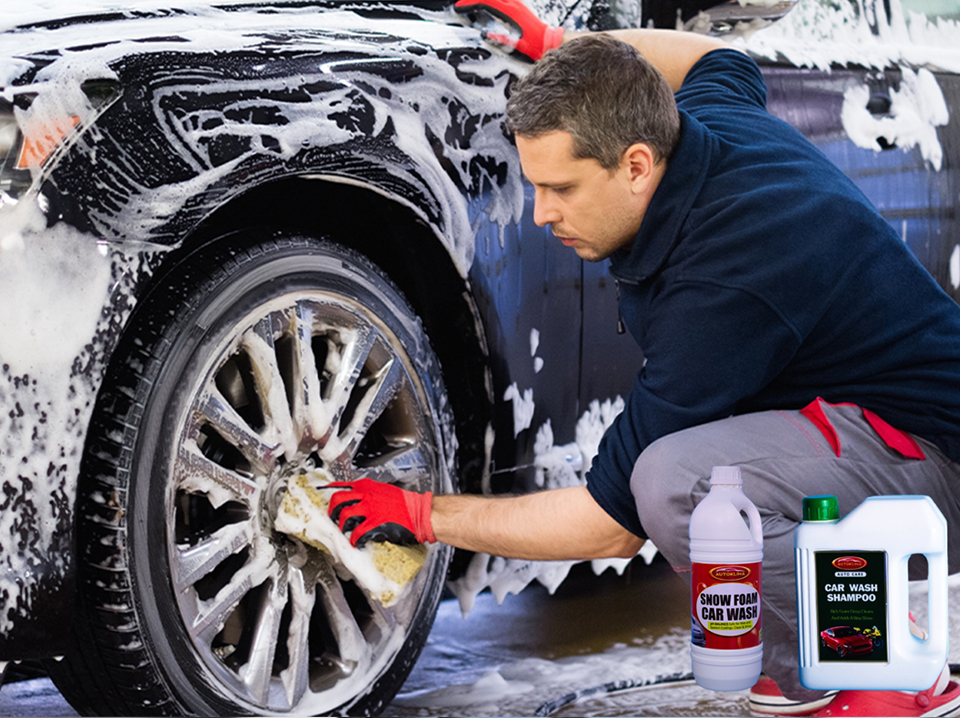
- Use specialized treatment for your wheels so as not to cause any damage to the plates.
- Wax your wheels to keep them cleaner for longer.
- A wet scouring pad can help remove tougher stains.
HOW TO CLEAN CAR WHEELS
BEST PRODUCTS FOR CLEANING CAR WHEELS
Different kinds of wheels require different treatments. Aluminium or chrome-plated wheels call for a special wheel polish tailored exactly for the material. Painted or clear-coated steel wheels are compatible with a standard auto polish product.
Try to use alkaline/basic formulas, and never use them on aluminium or damaged wheels. Follow directions on the product label, paying special attention to safety instructions (e.g. wearing goggles and gloves) and the maximum time the product can remain on the wheels without damaging them.
Many wheel cleaners include surfactants, metal chelators, and degreasers that target and dissolve road grime and brake dust. Depending on the material of your wheels, the ingredients could cause damage to your finishes, which is why should always find a cleaning solution that works for your wheels.
HOW TO WASH CAR WHEELS
Clean your wheels last, after washing the rest of the vehicle, following our step-by-step guide below:
- If your car has hubcaps, remove them and wash separately with soap and water.
- Cleaning one wheel at a time, first spray on the wheel cleaner.
- Next, clean your wheels using the tools that works best for your car. Soft wheel brushes or 100% cotton cloths work well to wipe the tyre clean. For crevices, use a soft-bristled brush.
- Finally, rinse the wheel thoroughly, then dry with a soft, clean towel to prevent water spots.
To keep your wheels clean for longer, you can wax your wheels, which will slow the build-up of brake dust and make cleaning easier. Alternatively, Autoklina® Wheel Protectant helps shield from brake dust and dirt, making it easier to clean your wheels the next time you wash your car. You may want to consider removing the wheels once a year to clean both the back and the front.
HOW TO CLEAN CHROME WHEELS
When cleaning chrome, use a polish specially made for chrome on surfaces such as wheels, stainless steel exhausts, air intakes, valve covers, bumpers, and chrome accessories. If you are unsure if a surface is chrome, check with your dealer.
A polish or wax can help retard corrosion by sealing the chrome and metal to repel rain, ice, snow and road salt. Be sure to clean the surface prior to polishing to minimize the chance of scratching. Most polishes come in a paste or liquid form, but there is no inherent benefit to either. Use the form you prefer.
Use a soft, clean cloth to apply the polish, and a separate soft, dry, clean cloth to buff. Apply light pressure and work slowly — let the product do the work.
Rust is the biggest enemy to your chrome wheels and should be removed immediately. If rust is left too long, it can cause pits. Remove rust with a wet scouring pad, or No. 0000 steel wool, as badly pitted chrome needs to be replaced.
Use a sponge or mitt specifically designed for automotive use like a lamb’s wool mitt, which works particularly well.
HOW TO CLEAN YOUR CAR’S TIRES
The other should be clear, as you will need this one to rinse and squeeze out your sponge occasionally, so you aren’t simply moving the dirt across the vehicle.
In terms of the hose, you will need to rinse your car off, you should use a low-pressure stream of water. This will help to avoid splashing water on yourself and forcing too much pressure on the car.




AutoklinaHaus Ltd
Copyright 2024 © AutoklinaHaus. All right reserved. Powered by ArchTech.